

读懂艺术家 | 广州影像三年展2025——穆奈姆·瓦斯夫
广州影像三年展2025以 “感知生态学” 为主题,集结全球 25个国家和地区的80 余位影像领域创作者,呈现一场聚焦生态、感知与媒介创新的艺术盛宴。
参展艺术家立足多元文化背景,以摄影、影像装置、数字艺术等丰富媒介,从自然生态、城市生态、人文生态等维度展开创作,用镜头记录环境变迁,以作品探讨人类与自然的共生关系。
这些创作者既是影像艺术的实践者,也是时代议题的回应者。接下来,让我们逐一走近他们,解读其作品背后的创作逻辑与思想内核。
艺术家简介
Artist Biography
穆奈姆·瓦斯夫的图像作品致力于探索“痕迹”的多种表现形式。他的作品常将摄影与影像、档案文献或收集的日常物品构建并置,以揭示世事无常与不确定的存在状态。其叙事从不追求穷尽,而是始终为阐释留有开放空间,其作品探索的叙事过程既在拓展纪实影像的边界,同时亦探索着虚构的种种可能。
基于对现实问题的敏锐意识,瓦斯夫研究的主题往往在全球对话中产生共鸣。他长期沉浸在现场的工作方法,强调与拍摄对象的深度接触与反复观察,避免肤浅的解读,呈现出对复杂议题的多层次的、敏感的且有时自相矛盾的观察。其作品所涉及的领域包括食物与土地的关系、劳动与社会结构,以及边界与迁徙等复杂议题。
瓦斯夫的作品曾在众多重要机构展出,包括法国蓬皮杜中心、东京宫和法国Visa pour l’image国际摄影节,英国白教堂画廊、凯特尔美术馆和维多利亚与阿尔伯特博物馆,西班牙巴塞罗那当代艺术博物馆;瑞士日内瓦艺术与历史博物馆和温特图尔摄影博物馆;荷兰库恩斯特哈尔艺术厅博物馆和Noorderlicht北光摄影节;波兰华沙现代艺术博物馆;香港Parasite空间;越南The Factory当代艺术中心;韩国光州双年展;新加坡双年展;阿联酋沙迦双年展、阿联酋Art Jameel与Ishara艺术基金会;澳大利亚亚太当代艺术三年展;以及孟加拉国达卡艺术峰会和Chobi Mela摄影节。
瓦斯夫曾于2020-2021年担任德国柏林高等研究院(Wissenschaftskolleg zu Berlin)研究员,并曾担任孟加拉国Chobi Mela国际摄影节第八至第十届的常任策展人。
Munem Wasif’s image-based works explore the notion of trace in its various forms. His complex installations often mix photographs with moving images, archive documents or collected paraphernalia to reveal notions of impermanence and insecurity. Never exhaustive and always open to interpretation, the narratives they develop simultaneously test the limits of documentary representation and the possibilities of fiction.
Spurred by an awareness of current challenges, Wasif investigates topics that often resonate in the global conversation. His working methodology based on long-term immersion, close contact with his subjects and systematic repetition eschews facile interpretations to convey layered, sensitive and sometimes contradictory observations on complex issues such as food sovereignty, labour exploitation or borders and migration.
Wasif’s work has been included in exhibitions at the Center Pompidou, the Palais de Tokyo & the Visa pour l’image festival in France, at the Whitechapel Gallery, the Kettle’s Yard and the Victoria & Albert museum in England, at the Museu d’Art Contemporani in Spain, at the Musée d’Art et d’Histoire & Fotomuseam Winterthur in Switzerland, at the Kunsthal museum & Noordelicht festival in Netherlands, at the Museum of Modern Art in Poland, at Parasite in Hong Kong, The Factory Contemporary Arts Centre in Vietnam, Gwangju biennale in Korea, Singapore biennale in Singapore, Sharjah Bienalle, Art Jameel and Ishara art foundation in UAE, Asia Pacific Triennial of contemporary art in Australia, and Dhaka Art summit & Chobi Mela in Bangladesh.
Wasif was a Fellow at the Wissenschaftskolleg zu Berlin, Germany (2020-2021). He was a regular curator for the Chobi Mela International Festival of Photography (editions VIII to X).
参展作品
Exhibited Work
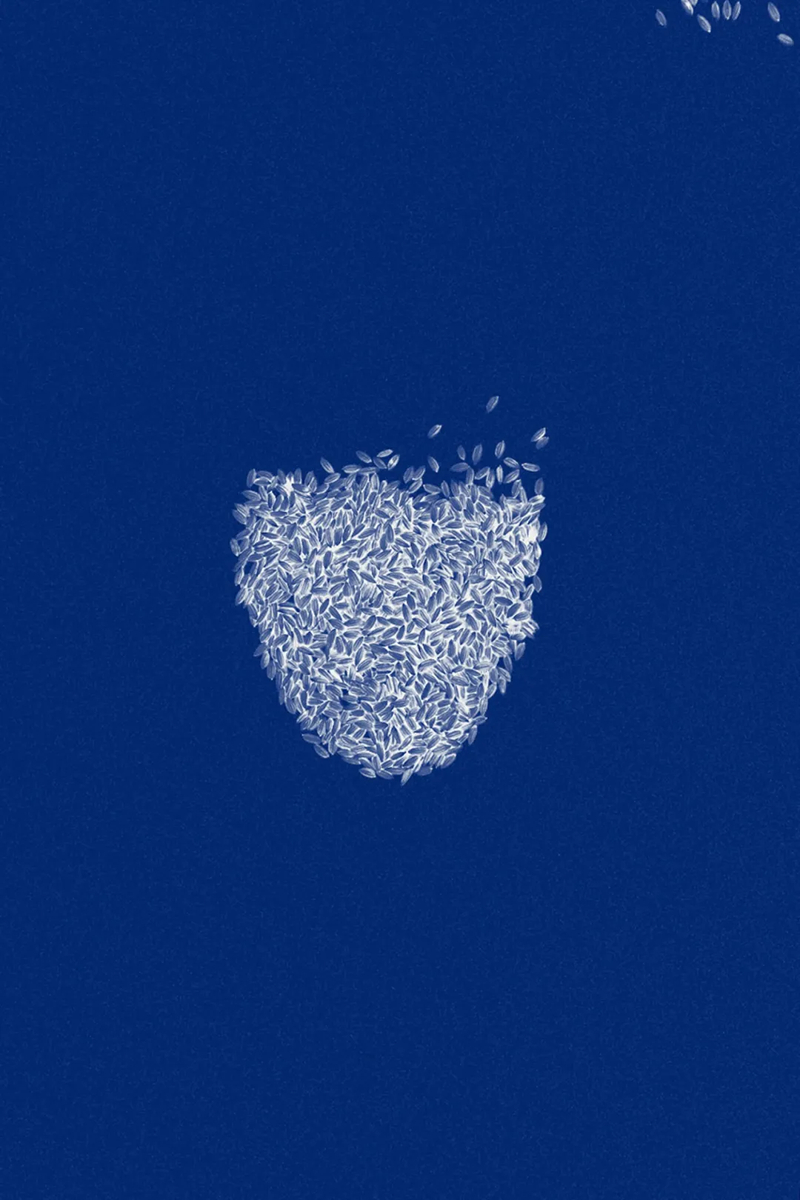
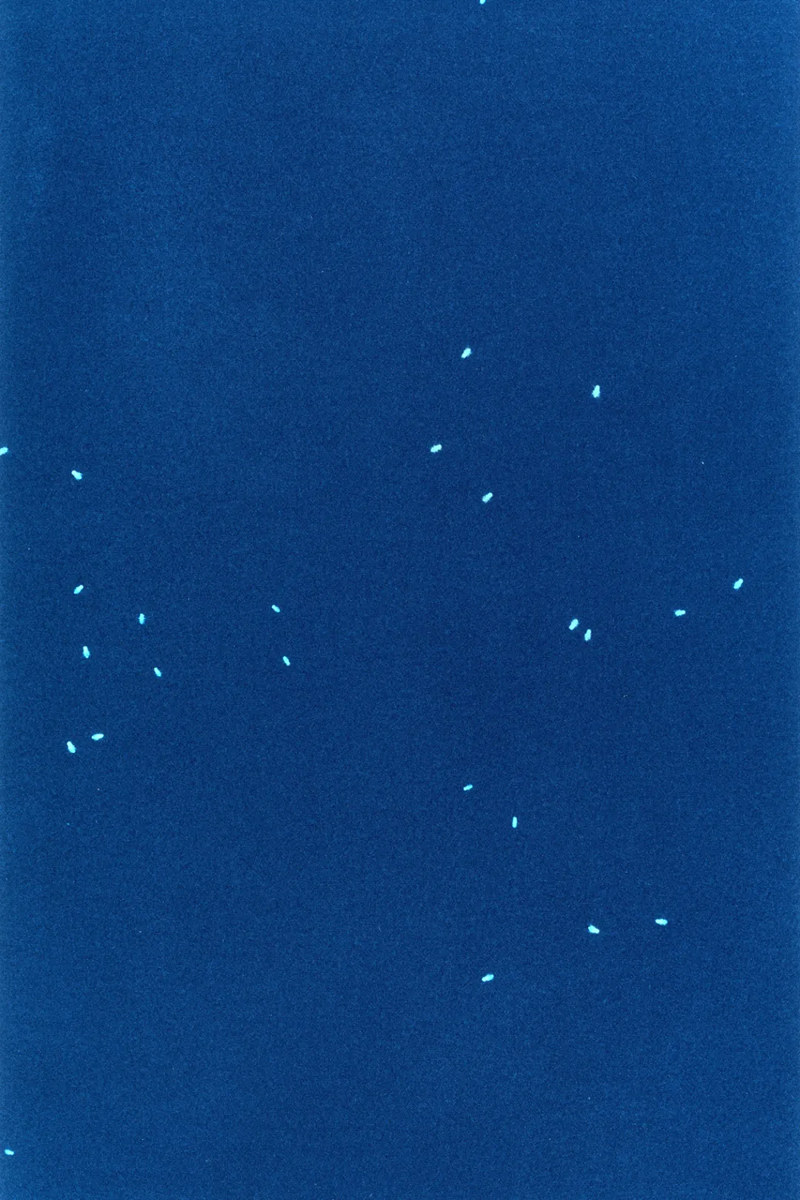
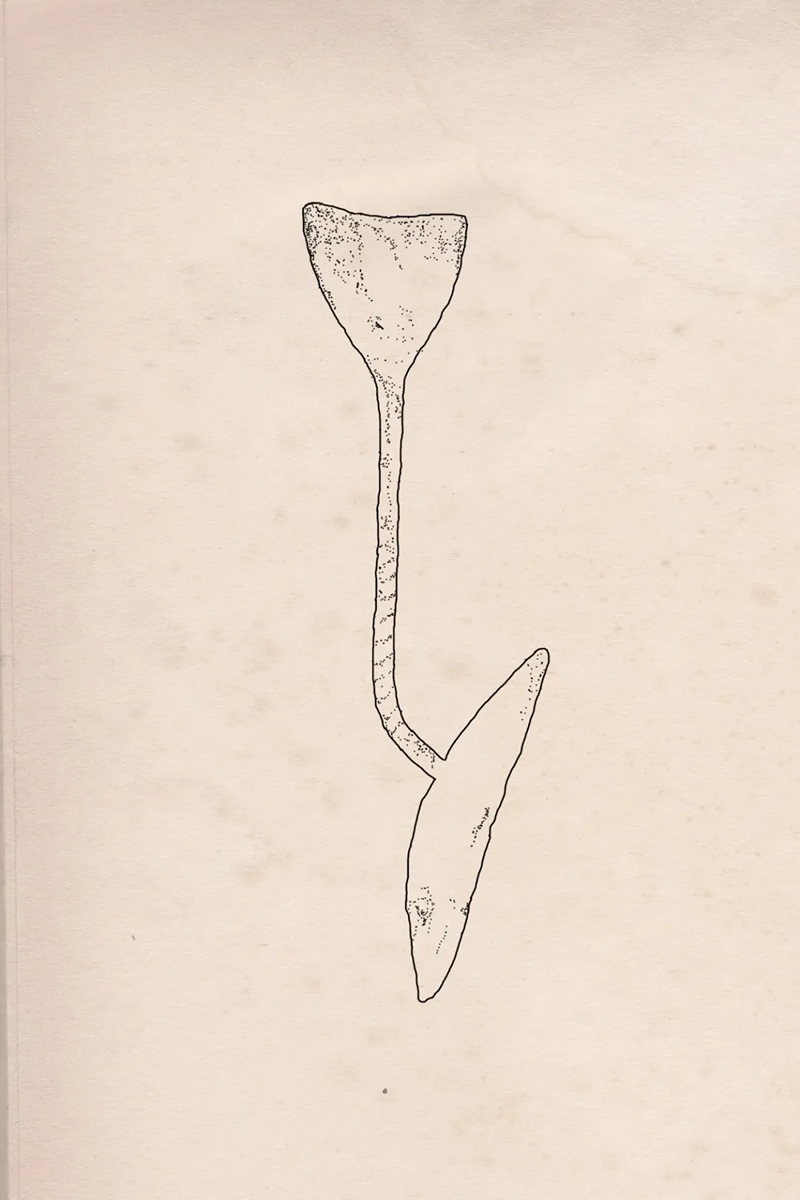
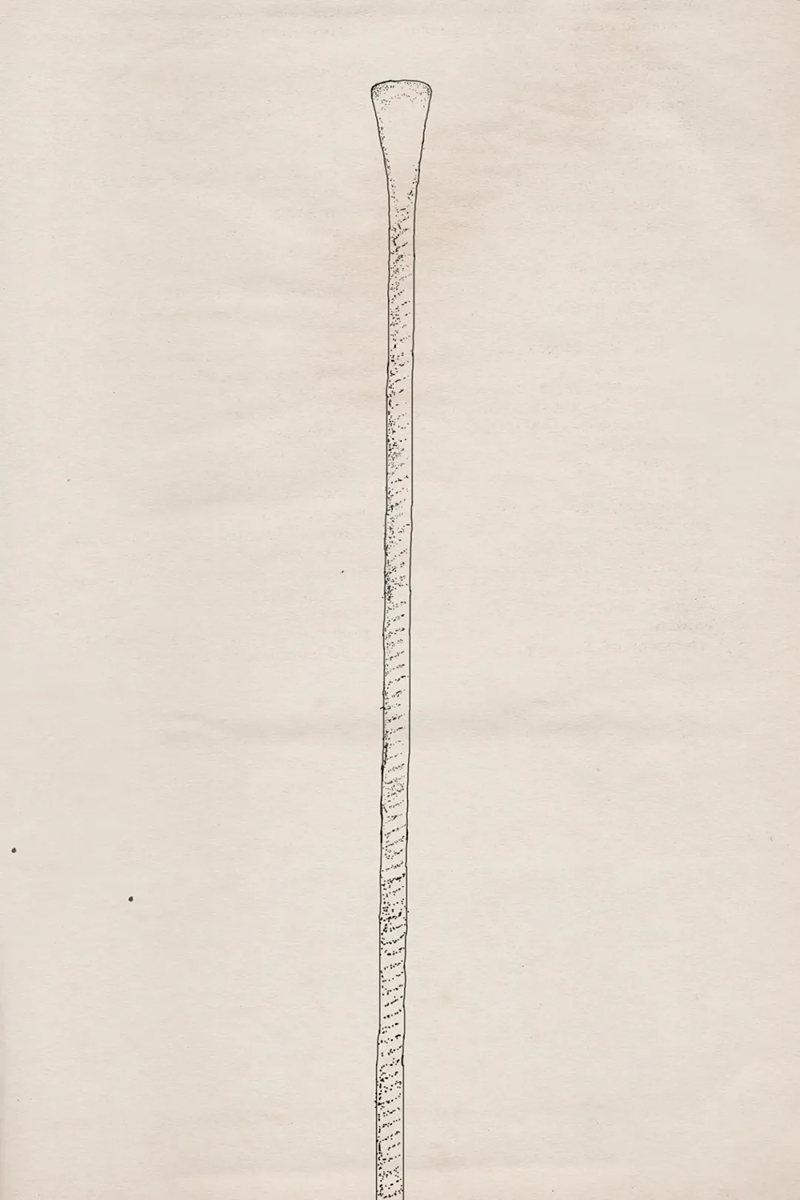
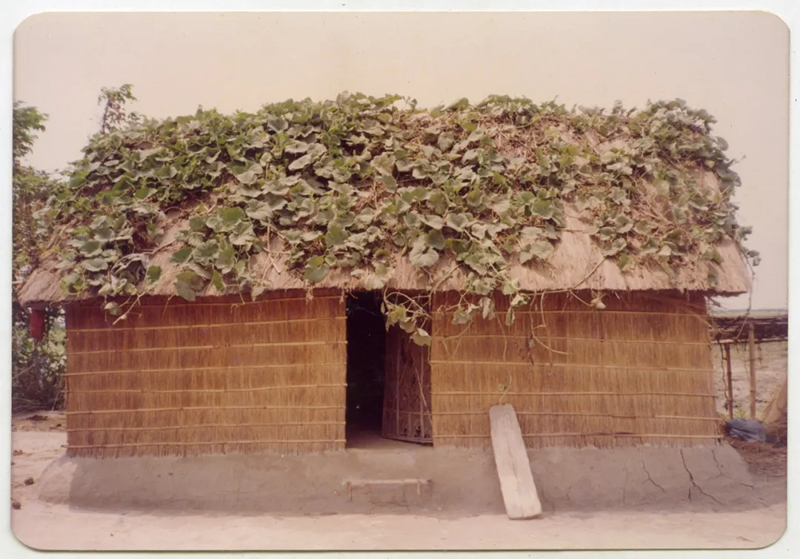
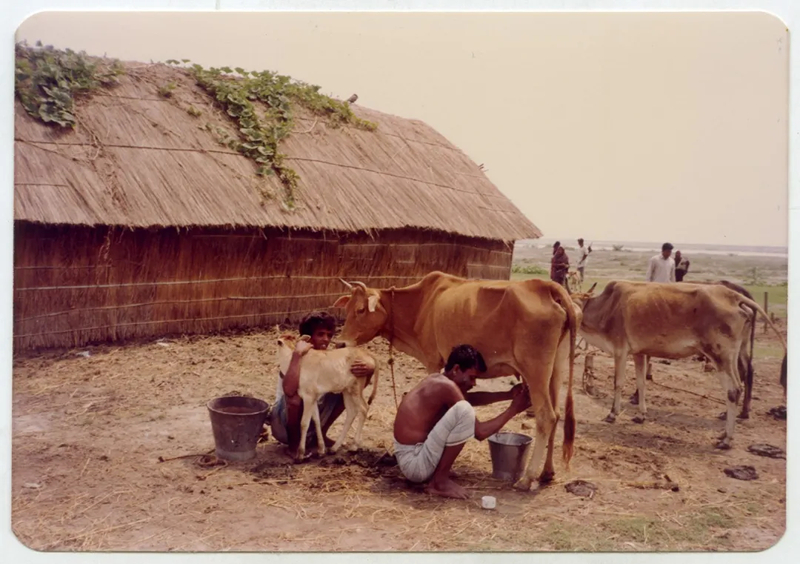
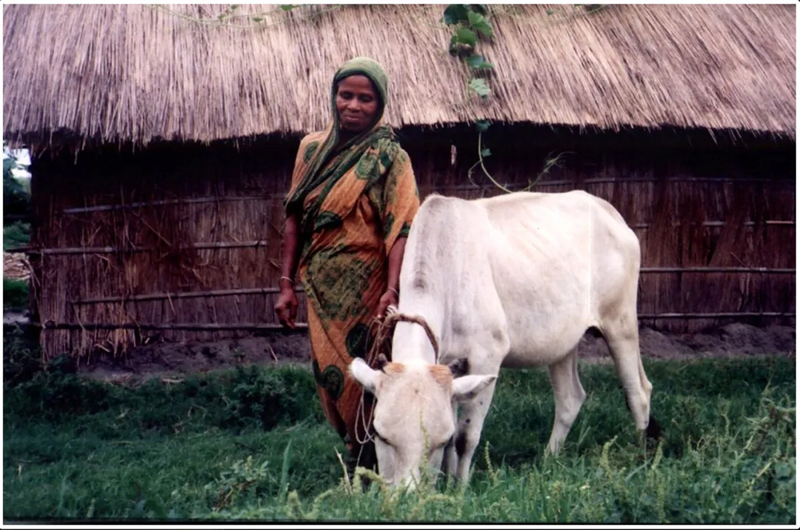
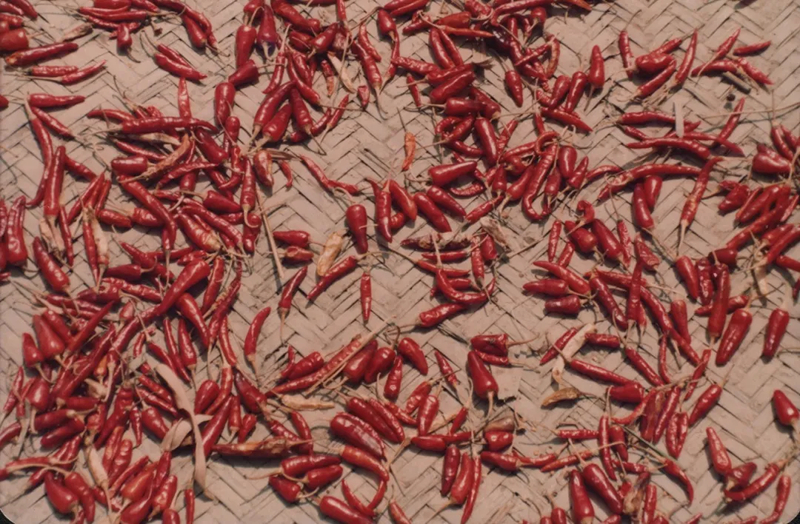
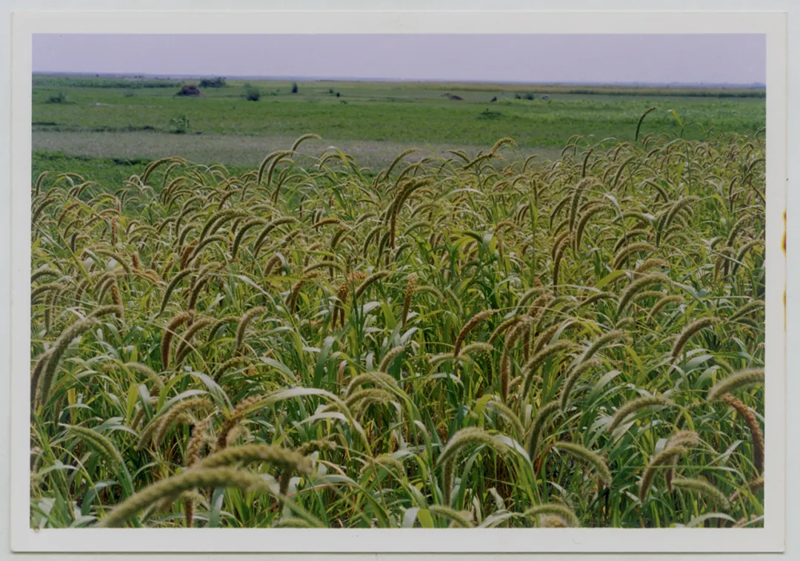
种子之力 II(2017-2021)
穆奈姆·瓦斯夫(孟加拉国)
蓝晒版画、喷墨打印、档案文件、绘画(通过摄影)
尺寸可变
2017-2021
作品由艺术家及孟买Project88画廊提供
Seeds Shall Set Us Free II
Munem Wasif (BGD)
Cyanotype prints, inkjet prints, archival documents, photographic reproductions of drawings
Dimensions variable
2017-2021
Courtesy of the artist and Project 88, Mumbai
在算法逻辑主导的当代视觉文化中,穆奈姆·瓦斯夫通过蓝晒工艺的物质性实践,重新激活被数字化压缩的感知-物质层。作品以孟加拉国稻米种植的历史与实践为背景,将稻谷和稻株的蓝晒影像与档案文献及社区粮仓的影像并置,构建起跨越视觉、历史与身体感知的多重叙事。
艺术家选择蓝晒这一19世纪影像技术,既呼应科学表征传统,又对话孟加拉本土的阿尔波纳(alpona)——用米糊创作仪式性地面绘画的文化实践。化学药剂的刺激性气味、手工放大的指尖阻力、光线与感光材料的直接接触——这些被算法视觉抹平的物质-身体记忆,在此重获密度与情感温度。
这种物质性实践深入嵌入其研究方法。艺术家与孟加拉本土研究机构UBINIG及新农业运动(Nayakrishi Andolon)合作,后者是包含超过10万农户家庭的社区网络,致力于推广本土非化学农业和原住民农业知识。通过进入社区种子库、记录多样化的稻米品种,瓦斯夫的创作实践本身成为“物质-情境知识”的生产:影像不再是抽象的视觉消费品,而是承载具体地理-历史形构、本土技艺传统和身体化劳动的物质见证。
瓦斯夫从南亚视角挖掘出生态殖民主义的层层痕迹——英国殖民体系强加的靛蓝和黄麻种植如何削弱稻米生产,1944年孟加拉大饥荒如何因英军囤积粮食而起。这些历史地层通过蓝晒影像的物质性呈现被重新激活,档案与当代社区实践的并置则拆解了殖民凝视在视觉权力中的沉积。
在瓦斯夫的创作中,稻米重获其作为"伴生物种"的文化身份——拥有名字、神祇和精灵,村庄围绕它们组织。这种“生态哲学”想象通过蓝晒工艺的缓慢、手工性和化学物质性得以具象化。《种子之力 II》因此成为“感观-视觉联盟”的实践:拒绝将感知坍缩为视觉消费,重新激活影像、身体、记忆与情感之间的有机联结,让观众在物质-历史的触觉中,共同守护标记着正义与多元的感知方式。
In a contemporary visual culture dominated by algorithmic logic, Munem Wasif reactivates the perception-material layer compressed by digitalization through the material practice of cyanotype. With the history and practice of rice cultivation in Bangladesh as the background, the work juxtaposes cyanotype images of rice grains and plants with archival documents and photographs of community grain banks, constructing a multi-layered narrative that traverses vision, history, and bodily perception.
The artist's choice of cyanotype, a 19th-century photographic technique, references both scientific representation and alpona, the Bengali practice of creating ritual floor paintings using rice paste. The pungent smell of chemical agents, the resistance of fingertips during manual enlargement, the direct contact between light and photosensitive materials—these material-bodily memories flattened by algorithmic vision regain their density and emotional warmth here.
This material practice is deeply embedded in his research methodology. The artist collaborates with UBINIG, a local Bangladeshi research institution, and Nayakrishi Andolon (New Agricultural Movement), a community network comprising over 100,000 farming families dedicated to promoting indigenous non-chemical agriculture and indigenous agricultural knowledge. By accessing community seed repositories and documenting diverse rice varieties, Wasif's creative practice itself becomes a production of "material-situated knowledge": images are no longer abstract visual commodities, but material witnesses bearing specific geo-historical formations, indigenous craft traditions, and embodied labor.
From a South Asian perspective, Wasif excavates layers of ecological colonialism—how the British colonial system's imposition of indigo and jute cultivation weakened rice production, and how the 1944 Bengal famine was caused by hoarding for British troops. These historical strata are reactivated through the material presentation of cyanotype images, while the juxtaposition of archives and contemporary community practices dismantles the sedimentation of colonial gaze in visual power.
In Wasif's work, rice regains its cultural identity as a "companion species"—having names, deities and spirits, around which villages organize themselves. This "ecosophical" imagination is materialized through the slowness, handcrafted nature, and chemical materiality of the cyanotype process. Seeds Shall Set Us Free II thus becomes a practice of "Sensi-Visibilities alliance": refusing to collapse perception into visual consumption, reactivating the organic connections among images, bodies, memories, and emotions, allowing viewers to collectively safeguard modes of perception marked by justice and plurality within the tactility of material-historical.

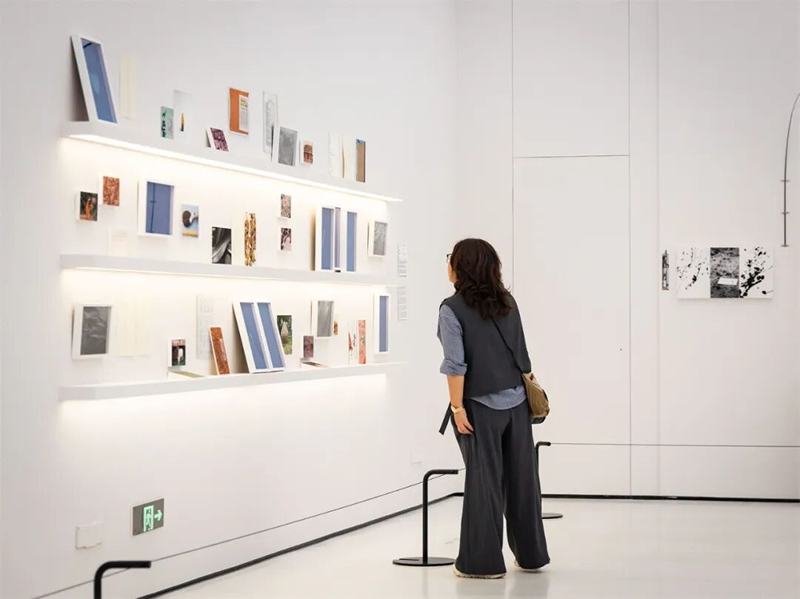
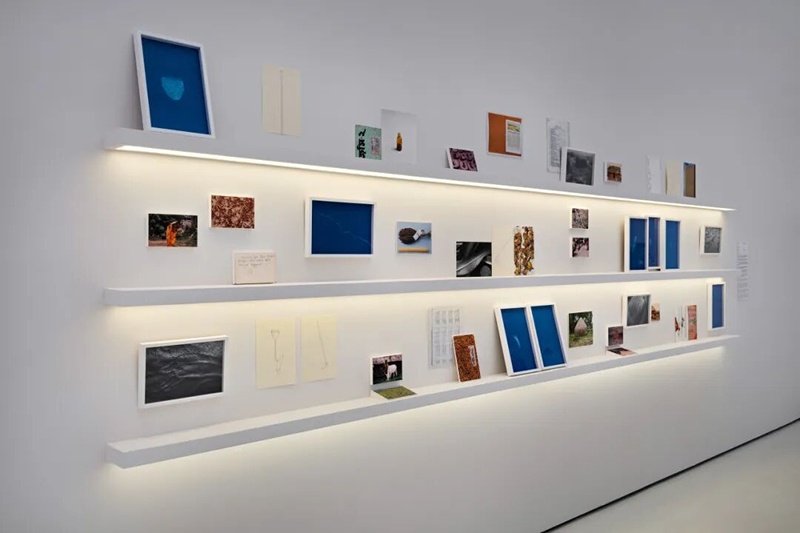
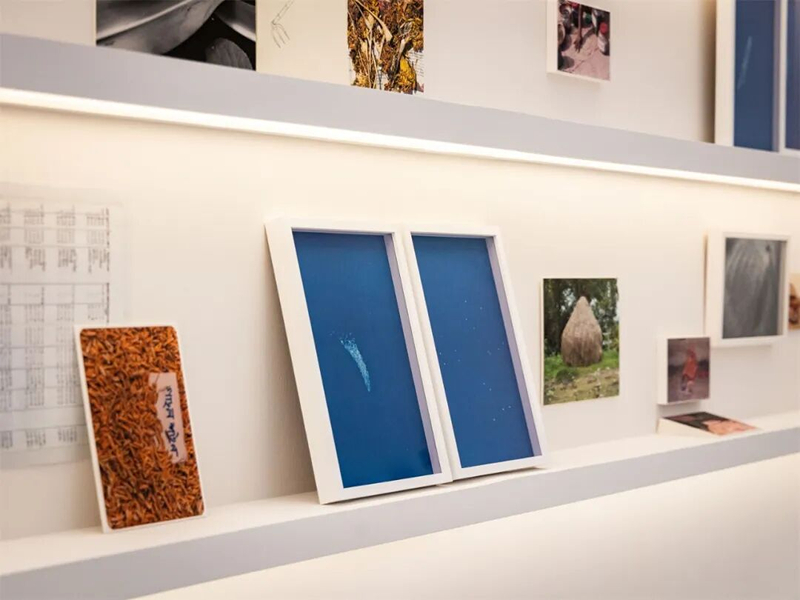

展览现场
审定 / 涂晓庞
审校 / 曾睿洁
资料提供 / 叶舜
图片 / 杜悦儿 曾雨林
编辑 / 刘丹妮
开放时间——每周二至周日9:00至17:00(16:30停止入场,16:45开始清场)
逢周一闭馆(法定节假日和特殊情况除外)。
新馆(白鹅潭):广东省广州市荔湾区白鹅潭南路19号
前台电话: (020) 88902999
本馆(二沙岛):广东省广州市越秀区二沙岛烟雨路38号
前台电话: (020) 87351468